

Hotjar AI

What Hotjar AI is and what problem it solves in 2026Hotjar AI is the artificial-intelligence-augmented component of the Hotjar Experience Analytics platform, designed to make customer behavior research faster, more actionable, and easier for teams without deep analytics expertise. At its core, Hotjar has long provided tools like heatmaps, session recordings, funnels, and surveys that […]
Clicky AI
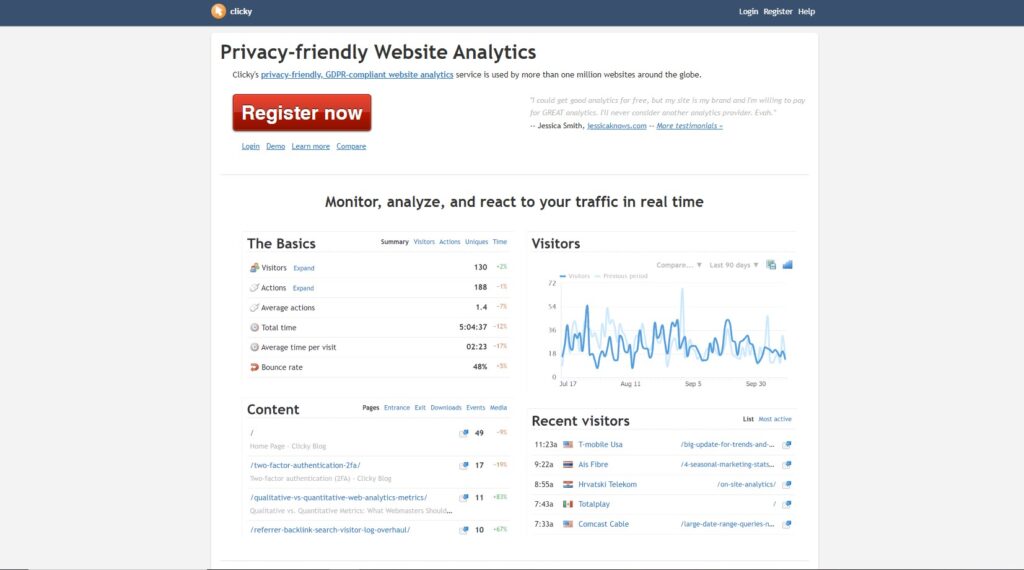
What Clicky AI is and what problem it solves in 2026Clicky is a web analytics platform focused on real-time, privacy-friendly tracking of site traffic and visitor behavior. It’s widely used as a simpler, more transparent alternative to heavy enterprise analytics tools. As of 2026, Clicky does not market a separate “AI analytics” product with generative […]
Fathom Analytics AI
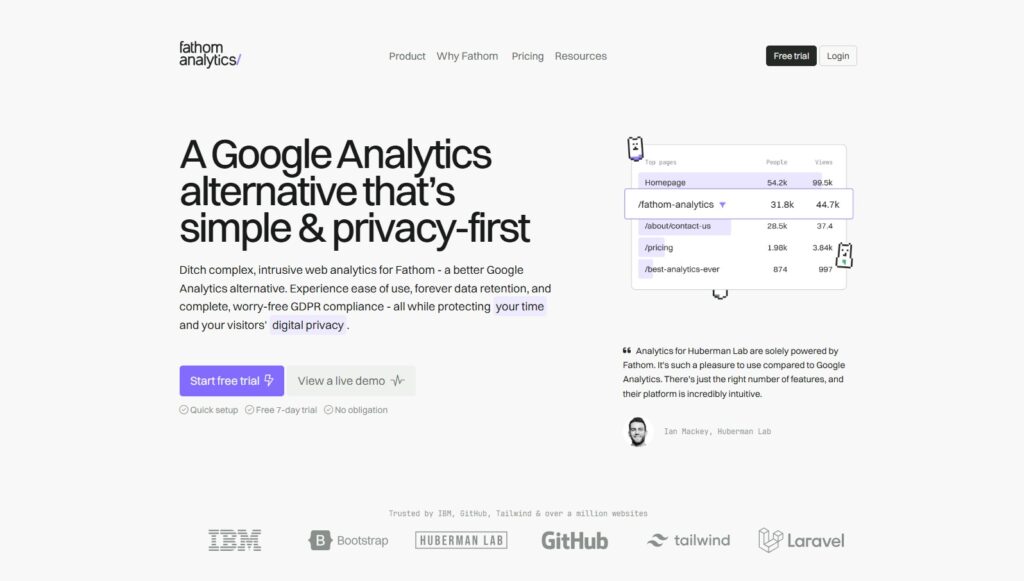
What Fathom Analytics AI is and what problem it solves in 2026Fathom Analytics itself is a privacy-first, cookieless website analytics platform that gives teams essential insights into traffic, engagement, conversions, campaigns, and user behavior without tracking personal data or violating privacy laws. It is not a traditional AI-analytics platform with generative reports, predictive modeling, or […]
Plausible Analytics AI

What Plausible Analytics AI is and what problem it solves in 2026Plausible Analytics itself is a simple, lightweight, privacy-friendly web analytics platform that gives website owners clear metrics about traffic, conversions, and engagement without collecting personal data or using cookies. In 2026, Plausible has added AI-relevant analytics features — notably AI traffic identification — that […]
Matomo AI
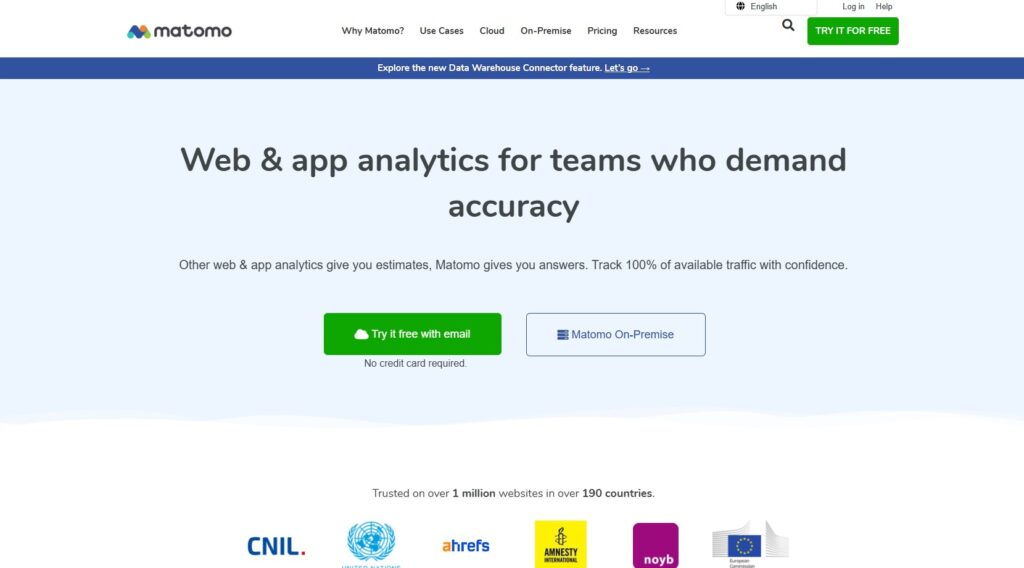
What Matomo AI is and what problem it solves in 2026Matomo AI refers to the artificial‑intelligence‑enhanced analytics capabilities now available in the Matomo Analytics platform — a privacy‑focused, open‑source web and app analytics system that gives teams complete control over their user data. In 2026, analysts and marketers face increasingly complex traffic patterns, including visits originating […]
Heap Analytics AI
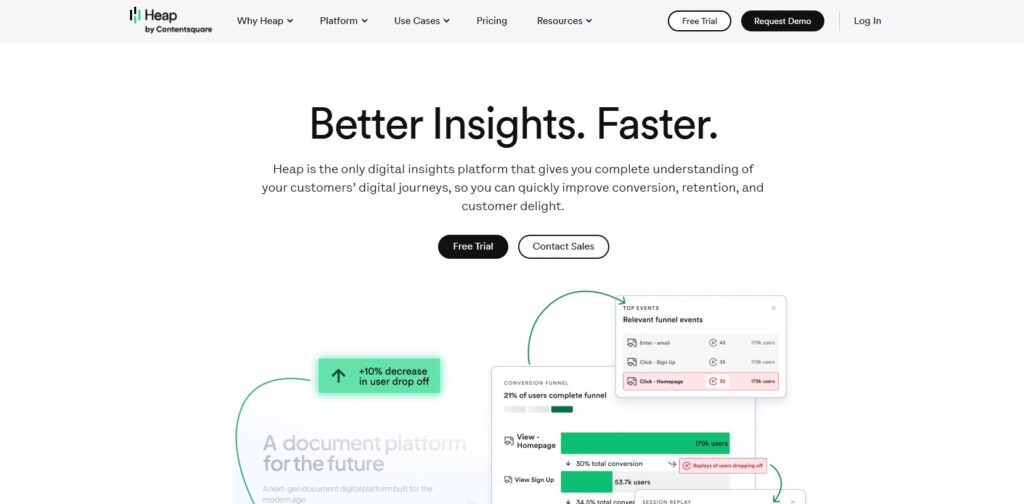
What Heap Analytics AI is and what problem it solves in 2026Heap Analytics AI refers to the artificial‑intelligence‑enhanced analytics capabilities now embedded within Heap — a digital insights and product analytics platform that automatically captures user behavior across web and mobile apps and uses AI to make analysis accessible, faster, and more actionable. In 2026, analytics teams […]
Amplitude AI
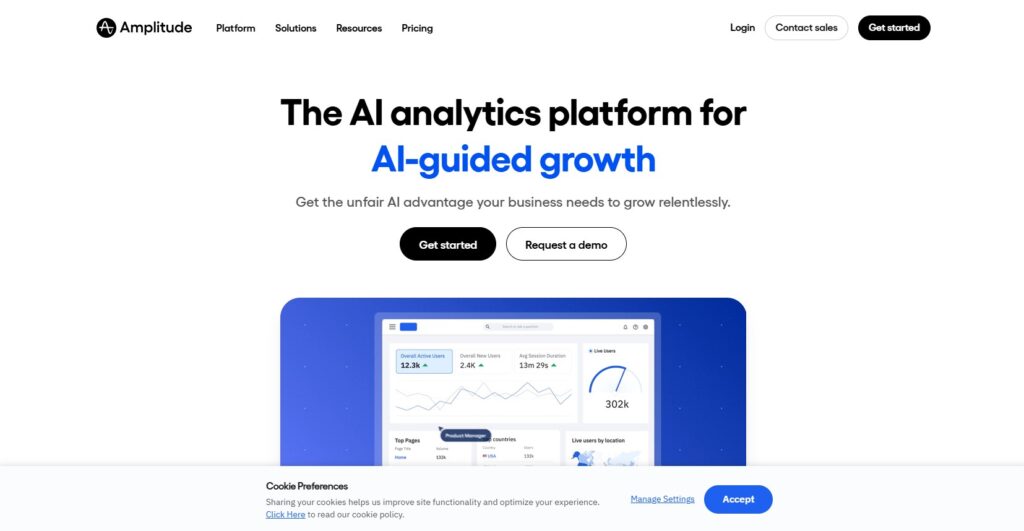
What Amplitude AI is and what problem it solves in 2026Amplitude AI refers to the artificial‑intelligence‑enhanced capabilities embedded within the Amplitude Digital Analytics Platform, a leading product and behavioral analytics solution used by teams to understand user behavior, optimize experiences, and drive growth. In 2026, as digital products and apps generate massive volumes of event‑level data, manual […]
Mixpanel AI
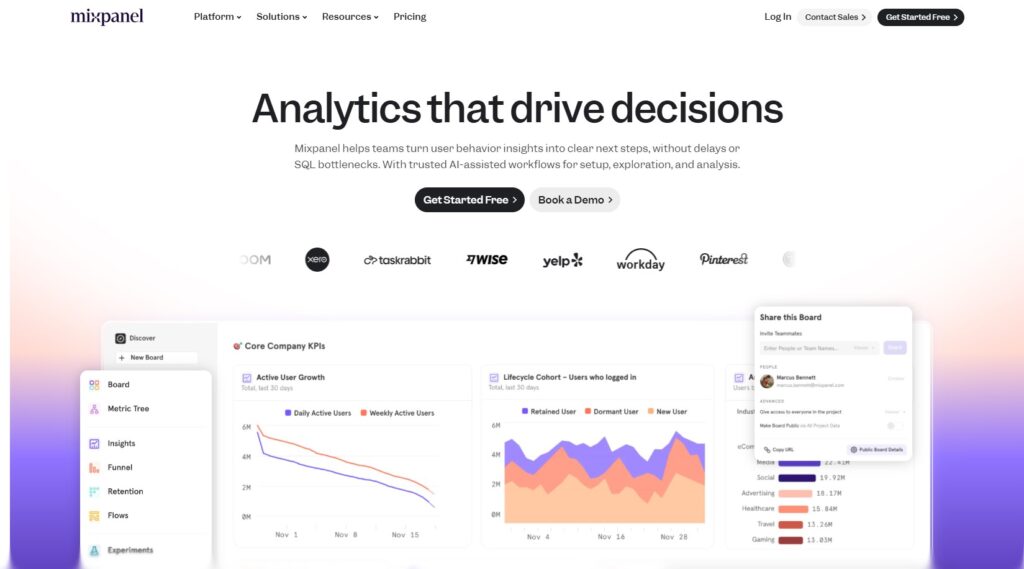
What Mixpanel AI is and what problem it solves in 2026Mixpanel AI refers to the artificial‑intelligence‑augmented analytics features built into the Mixpanel digital analytics platform — a product and user behavior intelligence service used to measure engagement, retention, conversion, and other key metrics for web and mobile applications. As user data grows in volume and complexity, […]
Adobe Analytics AI

What Adobe Analytics AI is and what problem it solves in 2026Adobe Analytics AI refers to the artificial intelligence and machine‑learning capabilities embedded within Adobe Analytics — the enterprise digital analytics solution at the core of Adobe Experience Cloud. In 2026, as businesses confront vast quantities of behavioral data from websites, apps, campaigns, and digital touchpoints, traditional […]
Baidu Webmaster AI
What Baidu Webmaster AI is and what problem it solves in 2026Baidu Webmaster AI refers to the AI‑aligned and automated insights embedded within Baidu Webmaster Tools (officially known as 百度搜索资源平台 / Baidu Search Resource Platform) — the free SEO and site management dashboard provided by Baidu, China’s dominant search engine. In 2026, with Baidu increasingly using AI‑driven […]
