
What Sitebulb AI is and what problem it solves in 2026
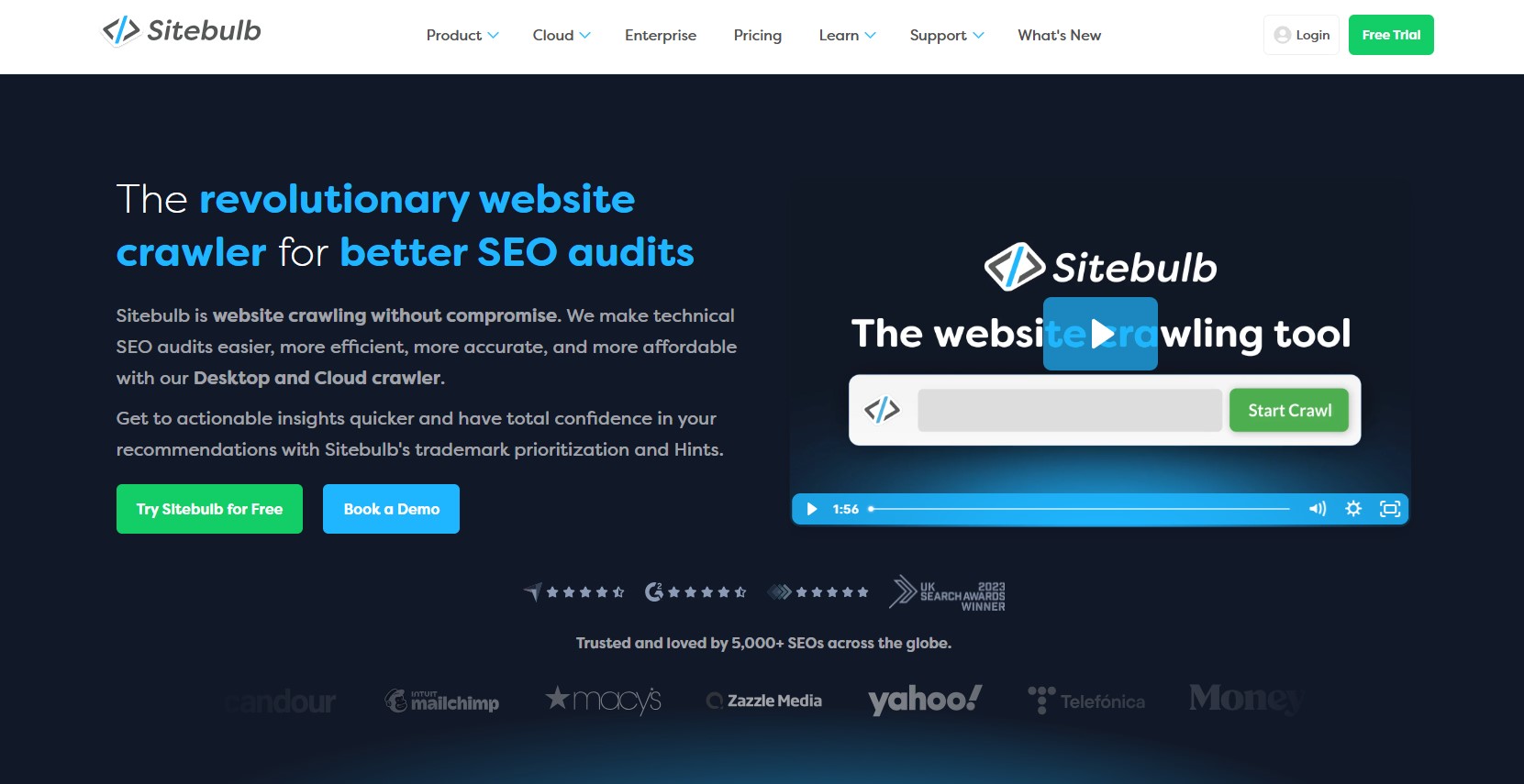
Sitebulb is a technical SEO auditing and website crawler tool designed for SEO professionals, teams, and agencies to thoroughly analyze a site’s structure, performance, and crawlability — detecting technical issues that could limit discovery by search engines or AI-driven systems. In 2026 the tool itself is not primarily marketed as an “AI product,” but its audit workflows and prioritized reporting still deliver automated intelligence that cuts through raw crawl data and highlights actionable insights, helping teams reduce the manual effort of interpreting large datasets from complex websites. It solves the problem of understanding and fixing technical barriers to visibility in both traditional search and AI-informed discovery environments by automating checks and recommending prioritized improvements.
Who owns Sitebulb AI and the company behind it
Sitebulb is developed by Sitebulb Ltd., a privately held UK-based SEO software company headquartered in Biddenden, Kent. Founded in 2017, the company has carved out a niche by offering a powerful website crawler and audit platform that blends deep technical analysis with clear visual reporting and prioritized recommendations, trusted by SEO consultants, in-house teams, and agencies around the world.
How Sitebulb AI actually works
Sitebulb operates by crawling a website’s entire URL set — either via a desktop client or in the cloud — and applying hundreds of automated checks against known SEO issues. It uses an Evergreen Chromium rendering engine to accurately handle JavaScript and dynamic content, mirroring how modern search engines render pages. The platform then generates prioritized “hints” that explain problems (e.g., broken links, duplicate content, mobile issues) and show why they matter, using intelligent prioritization instead of raw lists. While Sitebulb doesn’t market large-language-model generation features like standalone AI content tools, its scanning, prioritization, and insights automation resemble practical AI-like intelligence that helps reduce analytical work and surface patterns quickly.
Real-world use cases and how professionals use it today
Professionals use Sitebulb to conduct in-depth technical SEO audits for websites ranging from small blogs to large enterprise properties. SEO specialists rely on it to find crawlability issues, map internal link structure, verify JavaScript rendering, and prepare stakeholder-ready reports that explain needed fixes clearly. Teams use its cloud version for collaborative audits and recurring crawl schedules, while consultants generate white-label PDF reports for clients. Some practitioners also export crawl results and feed them into other systems — including AI systems like ChatGPT — to generate automated optimization suggestions or executive summaries.
Current pricing plans in 2026
Sitebulb’s pricing includes both desktop and cloud plans with tiered options based on scale and capability. On a monthly basis, Desktop Lite typically starts around $18 per month, and Desktop Pro around $42 per month, offering greater crawl limits and advanced features. For larger teams and high-volume sites, Sitebulb Cloud plans start around $125–$245+ per month with collaboration, scheduled audits, and much larger crawl capacities — up to millions of URLs per audit in cloud deployments. A 14-day free trial is commonly available for new users.
How pricing compares to competitors
Compared with all-in-one SEO suites like Semrush or Ahrefs, Sitebulb’s pricing is generally more focused and affordable for specialized technical SEO work. Its desktop plans often cost less than broader platforms’ base tiers, while its cloud options remain competitive against legacy cloud crawlers (e.g., Botify or OnCrawl) that can be significantly more expensive. However, Sitebulb does not bundle keyword research or backlink analysis, which all-in-one tools include at similar or higher price points.
Who should use Sitebulb AI and who should not
Sitebulb is ideal for technical SEO specialists, digital marketing teams, in-house SEO experts, and agencies that need deep, crawl-level analysis and clear reporting on site health and indexability. Its strength lies in surfacing structural issues and fixing the foundational factors that affect visibility in both search engines and AI discovery systems. It may be less appropriate for content marketers or solo bloggers who need more content strategy, keyword research, or backlink analysis features — use cases better served by broader SEO platforms with integrated AI content and discovery tools.
Strengths, limitations, and realistic drawbacks
Sitebulb’s strengths include comprehensive audit coverage, intuitive prioritization, visual crawl maps, and flexible deployment (desktop or cloud), all without crawl credit limits. Its reporting and visualizations help communicate technical issues to non-technical stakeholders. Limitations include a learning curve for new users and the fact that it focuses strictly on technical SEO rather than integrated content or keyword research. While its automated prioritization resembles AI support, it doesn’t include generative content or natural-language query assistants that some other SEO tools now offer.
How Sitebulb AI is being used in businesses and teams
In operational workflows, Sitebulb is embedded into monthly audit cycles, migration planning, and performance reviews. SEOs use it to schedule recurring crawls, compare audit results over time, and use data visualizations in presentations to developers or executives. Agencies often export Sitebulb audit reports into client deliverables, while enterprise teams integrate crawl data with analytics and search console data to tie technical issues to performance outcomes. Some workflows even automate Sitebulb exports into AI systems for synthesized optimization plans.
Why Sitebulb AI matters in the AI landscape in 2026
As AI-driven discovery and generative search become more prevalent, technical SEO remains critical because AI systems need reliable, crawlable, and semantically understandable content to generate accurate answers. Sitebulb matters because it ensures sites are accessible, structurally sound, and free of technical barriers that could impede how both traditional crawlers and AI discover and interpret pages. Its prioritized insights shorten the path from raw crawl data to strategic action, aligning SEO foundations with evolving AI-mediated visibility demands.
A concise final verdict written like a human expert
Sitebulb in 2026 is a practical, highly capable SEO crawler and audit platform that blends thorough technical analysis with actionable, automated recommendations. While it doesn’t brand itself as a standalone generative AI engine, its prioritization logic and efficient reporting provide AI-style assistance in interpreting complex site structures. Its pricing and deployment options make it suitable for specialists and teams focused on crawl integrity, indexability, and structural health, though teams needing comprehensive keyword, content, and backlink workflows might look to broader platforms. For technical SEO professionals who value clear insights and prioritized action, Sitebulb remains a dependable and cost-effective choice.