

What Screaming Frog AI is and what problem it solves in 2026
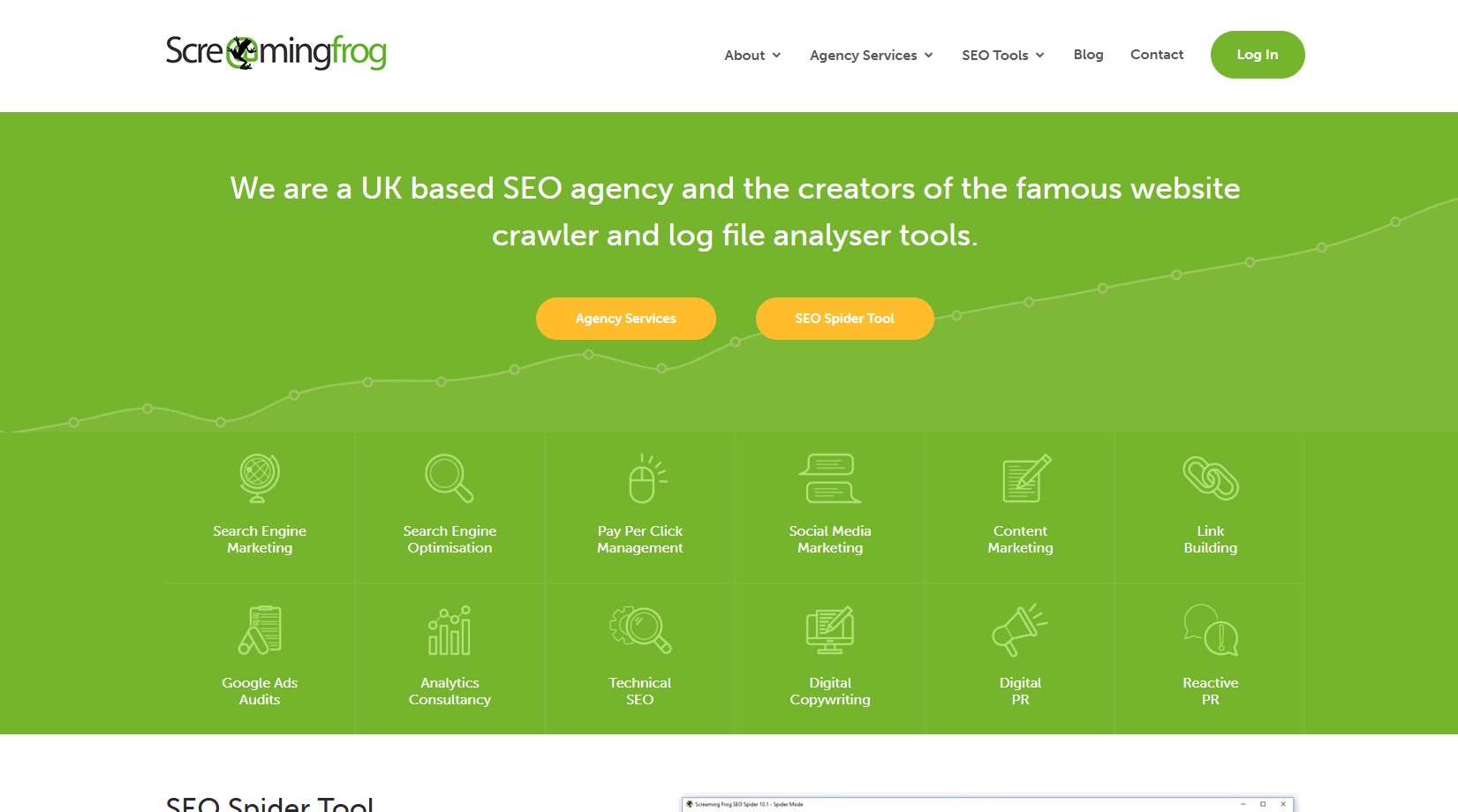
“Screaming Frog AI” isn’t a separate product name but rather the AI-enhanced features now built into the Screaming Frog SEO Spider tool, a widely used desktop-based technical SEO crawler and audit platform. Screaming Frog has traditionally been one of the most respected tools for site crawling, technical SEO audits, and on-page issue discovery. In 2026 the tool continues to serve that core purpose — helping SEO professionals uncover broken links, metadata issues, duplicate content, redirect problems, JavaScript rendering issues, and more through deep crawls — but it also layers in AI-assisted insights and automation capabilities that reduce manual analysis and help teams interpret crawl data more intelligently.
Who owns Screaming Frog AI and the company behind it
Screaming Frog SEO Spider and its AI-augmented features are developed by Screaming Frog Ltd., a UK-based company founded in the late 2000s that has become a staple in technical SEO workflows globally. The company remains focused on providing a robust desktop crawler with integrations to third-party APIs and extensions that bring additional intelligence to its crawl data. The AI integrations aren’t a separate corporate product but part of ongoing product evolution in response to modern SEO challenges.
How Screaming Frog AI actually works
The backbone of Screaming Frog is its site crawler, which navigates site structures in a way similar to search engine bots and produces structured reports on URLs, metadata, links, and technical attributes. AI-enhanced features integrate directly into this crawl workflow. In recent versions, users can connect the tool to large language model APIs like OpenAI, Gemini, Ollama, and Anthropic to run custom prompts directly against crawl data. This lets teams generate things like automated alt text, content summaries, semantic tagging, intent detection, and other custom analyses without exporting data elsewhere. You can also run AI prompts only against segmented issues (e.g., missing alt text) to avoid unnecessary processing and credit waste.
Real-world use cases and how professionals use it today
SEO professionals use Screaming Frog AI to go beyond raw crawl data and extract actionable insights automatically. For example, they generate AI-suggested alt attributes for images during a crawl, summarize content relevance on large sections of a site, detect semantic gaps in page copy, or flag content that could be optimized for intent rather than just keywords. Technical SEO teams run AI-assisted segment checks (e.g., canonical tag issues), while agencies use templated prompts to produce consistent outputs across multiple client sites. The AI isn’t replacing strategy; it’s augmenting repetitive analyses and turning crawl outputs into structured, human-readable recommendations.
Current pricing plans in 2026
Screaming Frog SEO Spider itself remains licensed on an annual basis rather than a typical SaaS subscription model. There’s a free version that allows crawling up to 500 URLs, useful for small projects and entry-level use. The paid license in 2026 is typically priced around $259 per year per user, with tiered discounts if buying multiple licences. Paid licences unlock unlimited URL crawling, saved crawls, JavaScript rendering, integrations with APIs (such as Google Analytics and Search Console), and the AI prompt access features via API keys. Bulk purchase discounts reduce per-seat cost as the number of users grows.
How pricing compares to competitors
Compared with cloud-based SEO suites that bundle keyword research, backlink analysis, content optimization, and rank tracking, Screaming Frog’s pricing is very focused and often more affordable for technical auditing. Its annual licence (~$259) is competitive against some mid-tier SaaS plans, particularly given that it’s a desktop licence with unlimited data extraction. However, platforms with broader integrated AI and SEO workflows (e.g., Semrush One) may cost more but also include analytics, visibility tracking, and full content optimization features that Screaming Frog doesn’t target.
Who should use Screaming Frog AI and who should not
Screaming Frog with AI is best suited for technical SEO specialists, site auditors, webmasters, and agencies that need in-depth crawl data and want to overlay AI insights on that data without moving to a cloud-native platform. It’s excellent where precision, configurability, and scriptable analysis matter most. It is less appropriate for content marketers or SEO beginners who want a simple cloud dashboard with integrated keyword strategy and AI-generated content — use cases better served by broader SEO platforms.
Strengths, limitations, and realistic drawbacks
Screaming Frog’s strengths lie in its depth of crawl data, configurability, and integrations with performance APIs like Google Analytics. Its AI features augment workflows by enabling custom prompt runs and semantic analysis without heavy export processes. Limitations include the need for external API keys (which can incur costs) for AI prompts, the desktop-centric nature that may be less collaborative than cloud tools, and the fact that AI outputs still require human interpretation and editorial oversight. Some users also find the interface less modern compared to fully cloud-based platforms.
How Screaming Frog AI is being used in businesses and teams
In business workflows, Screaming Frog AI is often part of technical SEO audits and migration planning. Teams run crawls, then layer AI prompts to generate quality summaries of complex issues, extract semantic signals, and identify content clustering opportunities. Agencies embed AI-augmented exports into client reports, enabling clients to see AI-generated recommendations alongside crawl metrics. In larger teams, AI prompts help automate repetitive checks, such as alt text generation or segment-specific audits, freeing up SEO analysts to focus on strategy rather than data synthesis.
Why Screaming Frog AI matters in the AI landscape in 2026
By 2026, technical SEO remains a crucial foundation for organic visibility, but the volume and complexity of web signals have grown with dynamic content and AI-driven discovery. Screaming Frog AI matters because it bridges traditional crawl data with generative and semantic insights, enabling deeper contextual analysis at crawl time rather than after export. This equips specialists to adapt audits and recommendations to evolving search behaviors, including AI-mediated discovery layers, where understanding content semantics and site structure matters as much as traditional errors.
A concise final verdict written like a human expert
Screaming Frog AI in 2026 is a powerfully specialized technical SEO crawler that has evolved to incorporate AI-assisted analysis and automation, enabling technical teams to extract more meaning from crawl data with less manual effort. Its annual licence gives deep access to site architecture and performance metrics, now extended with custom prompt and large language model integrations. It doesn’t replace all-in-one SEO suites, but for technical audits, structured data extraction, and precise crawl-time insights, it remains indispensable — especially when paired with human expertise to interpret and act on detailed recommendations.